
Flower Type
Ronen Tanchum · Generative artwork · 2026
A living typographic herbarium.
Release Nov 2026 · Presented with Glitch Residency, Château du Feÿ, Art Blocks and OpenSea
Letters, numbers and symbols become petals, stems and atmosphere.
A flower composed entirely from fixed-width glyphs.
Specimen details
Composing specimen…
About Flower Type
Flower Type is a living typographic herbarium. Letters, numbers and symbols become petals, stems and atmosphere. A finite alphabet gives rise to living forms: each specimen holds its own shape within a shared set of rules.
From a distance, the characters gather into flowers. Up close, the image separates into readable marks. The eye moves between the organism and the alphabet that constructs it.
Growth changes how a specimen occupies its space. A change of owner leaves an additional bloom. The work asks how a form can remain recognizable while carrying the history of its changes.
- Material
- Type & color
- Identity
- Persistent
- Growth
- Unfolding
- Ownership
- Leaves a mark
Growth
Stems extend and petals open, changing the balance of the same specimen. In the ownership-based work, time with a custodian advances its maturity. This recorded study compresses growth into a short sequence; the live preview above opens at a chosen stage.
Select the specimen to explore it in the preview above.
Ownership leaves its mark.
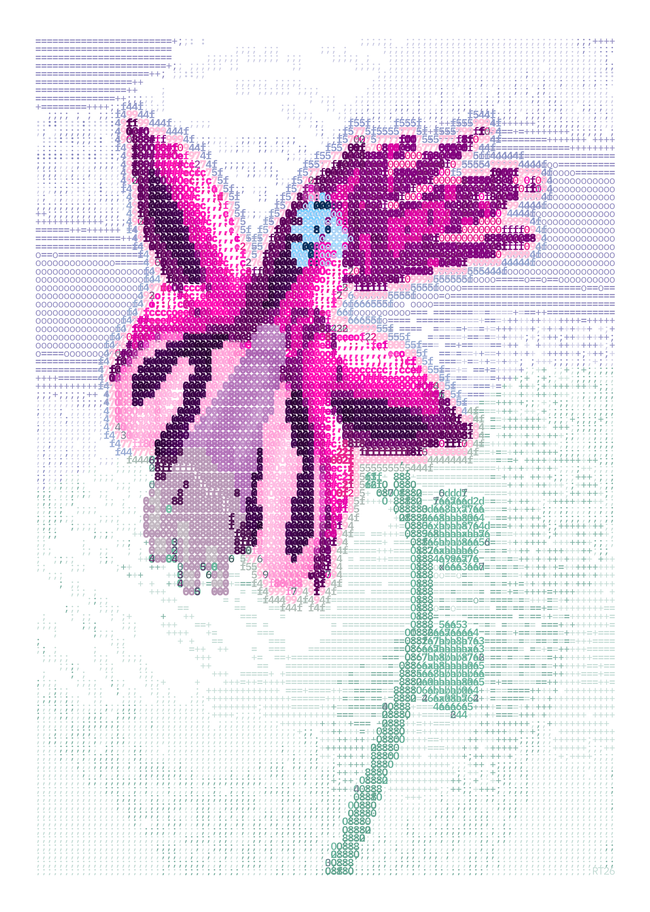
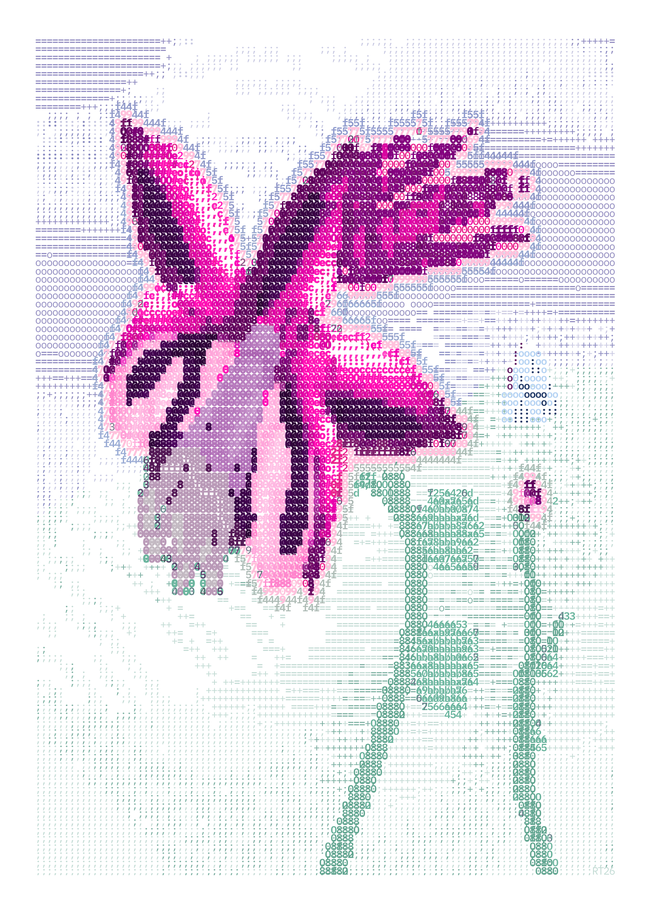
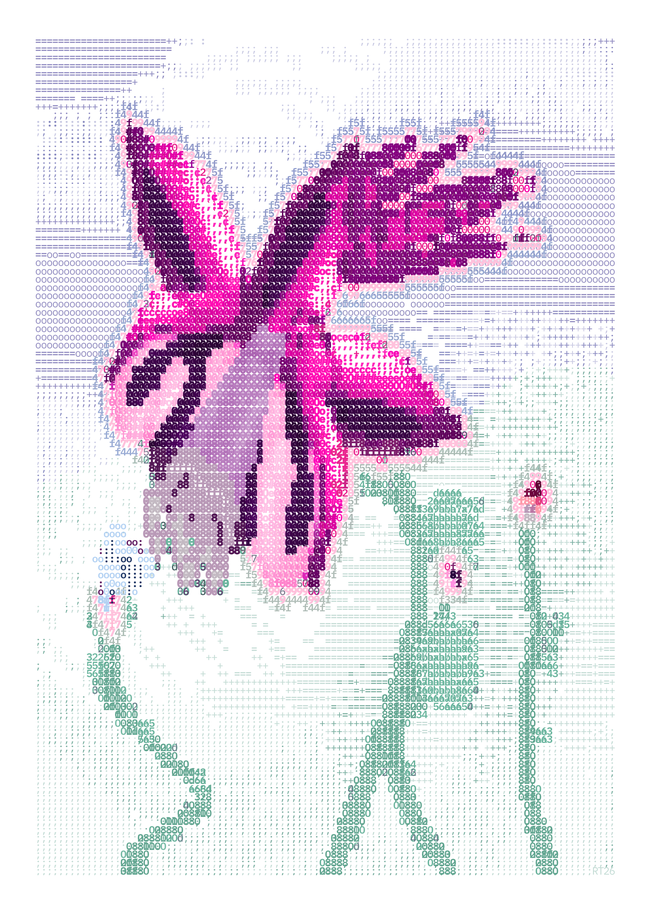
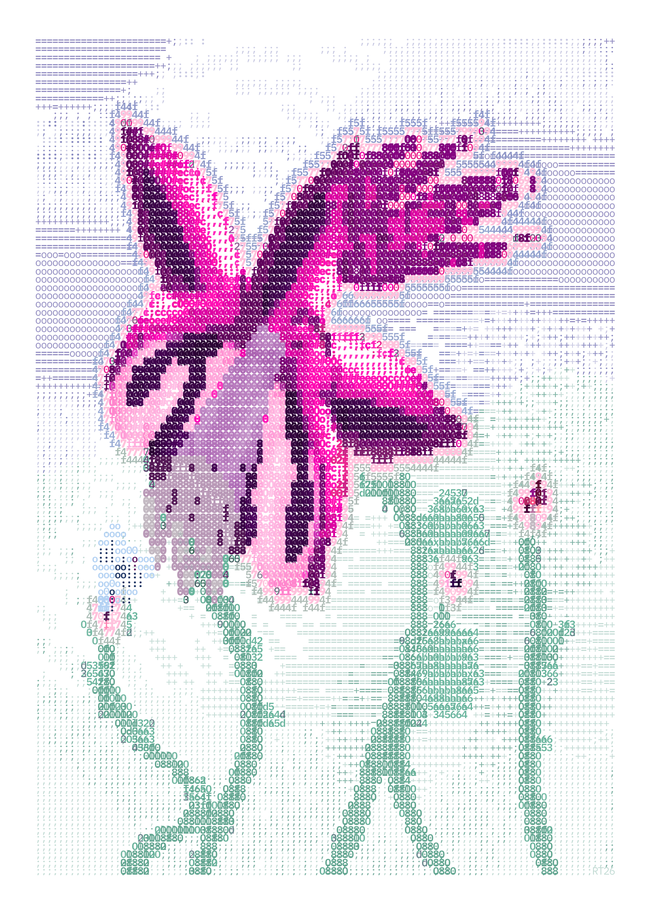
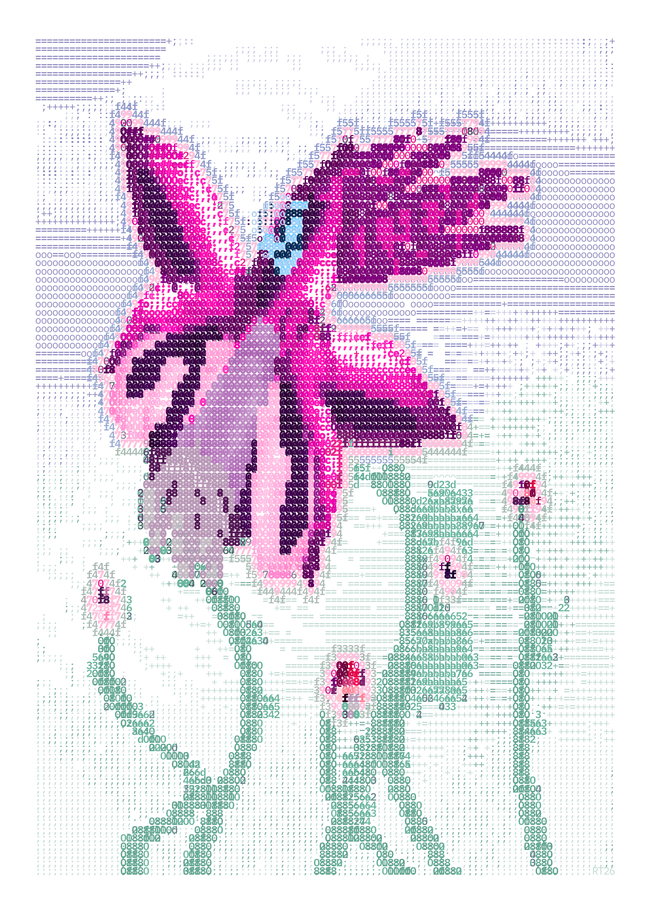
A new custodian adds a bloom to the existing specimen. Its initial form remains recognizable as the composition becomes more crowded. Ownership becomes visible as an accumulation of encounters, each one leaving a mark on what follows.
An illustrative ownership history, using example addresses. Same seed, same stage of growth. These images show the rule rather than actual sales.
Select a specimen to explore its state.
A garden of characters.
Six-work exhibition study · October 2026
Six encounters, moving from angled heads and folded petals to a quiet blue interval, repeated mouths and a crowded night garden. Select an image to explore its seed in the live preview.
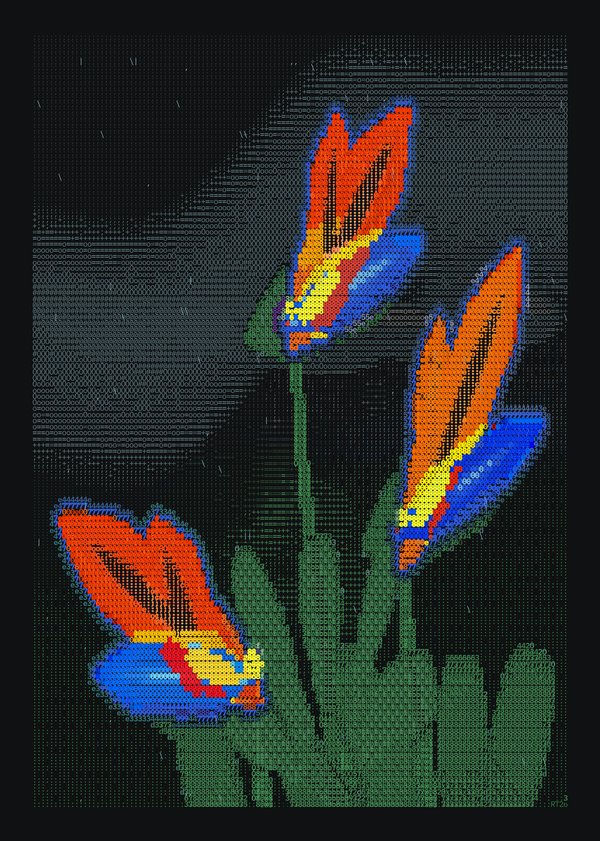
Orange and cobalt hold three oblique heads against the dark.
Open preserved version ↗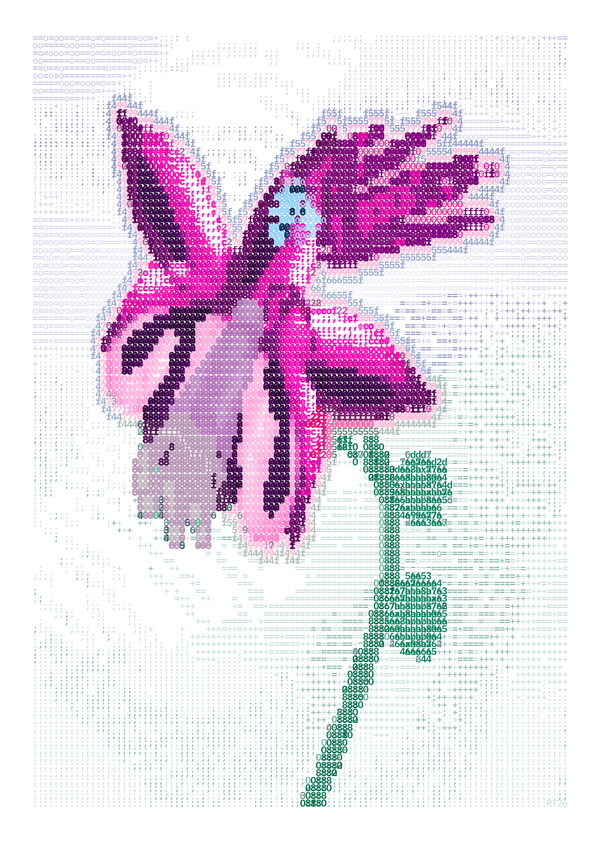
A folded magenta crown hangs over a pale, curved stem.
Open preserved version ↗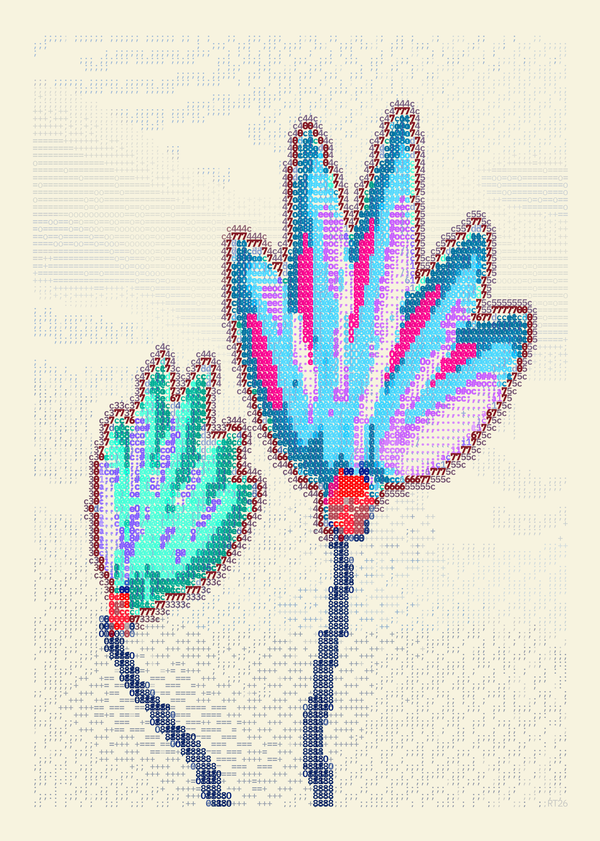
Two unequal crowns turn in the same field of color.
Open preserved version ↗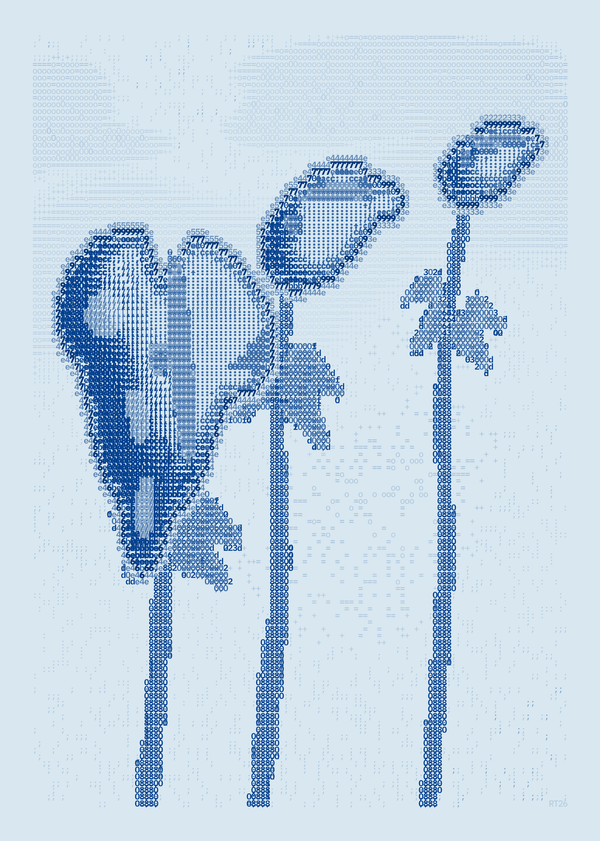
A restricted blue palette brings posture and spacing forward.
Open preserved version ↗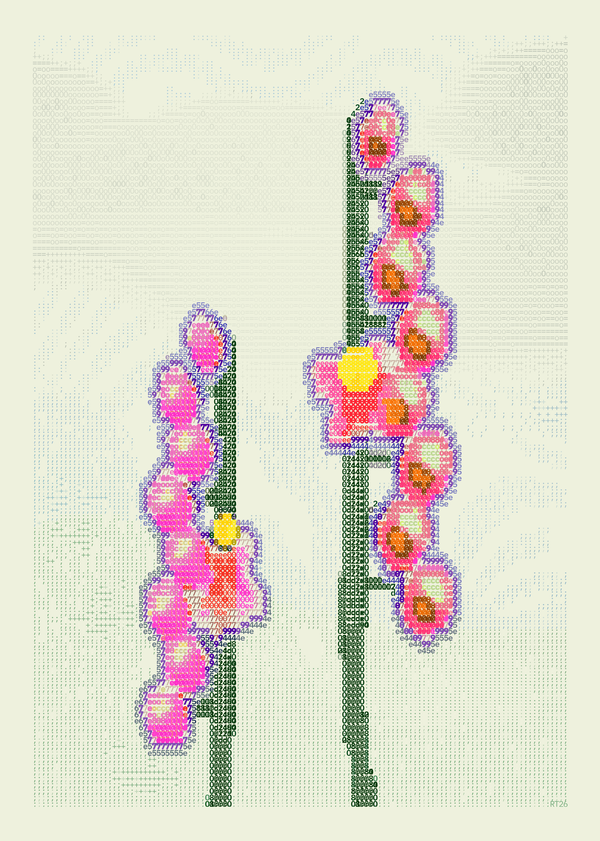
Small repeated mouths build two unequal columns.
Open preserved version ↗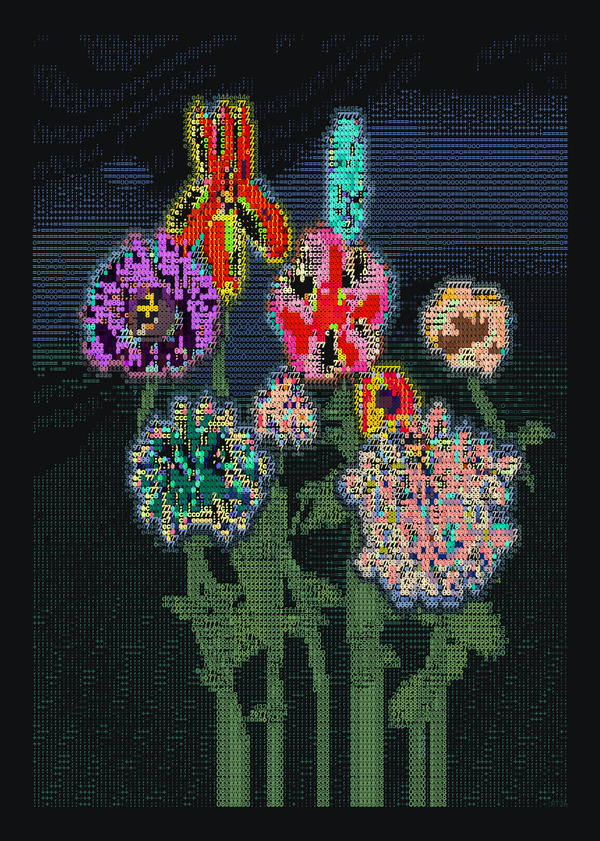
The sequence closes with many forms sharing a dark field.
Open preserved version ↗Identity, change and preserved versions
The seed establishes the specimen’s base traits within a version of the code. Growth changes its stage; ownership history adds blooms. The word “living” describes these authored changes and the work’s motion.
The images above show the six selected seeds rendered with the current software. The original images and software from 11 October 2026 remain in the preservation record. “Open preserved version” runs that saved software. Selecting an image opens the same seed in the website’s live preview, which can change as the code develops.
A still image records a particular state. A software work also includes the rules through which states develop. This website is an evolving preview; an issued edition is defined by its own released software and ownership rules.
Atlas
One selected specimen for each form and atmosphere. Select an image to explore it above.
Opening the field guide…
No specimens match. Try another name or choose Everything.